
Bulgaria
The capital I explored, two routes that actually work, and the practical page. I wish someone had handed me that the first time.
Updated September 2026
What nobody tells you before you land
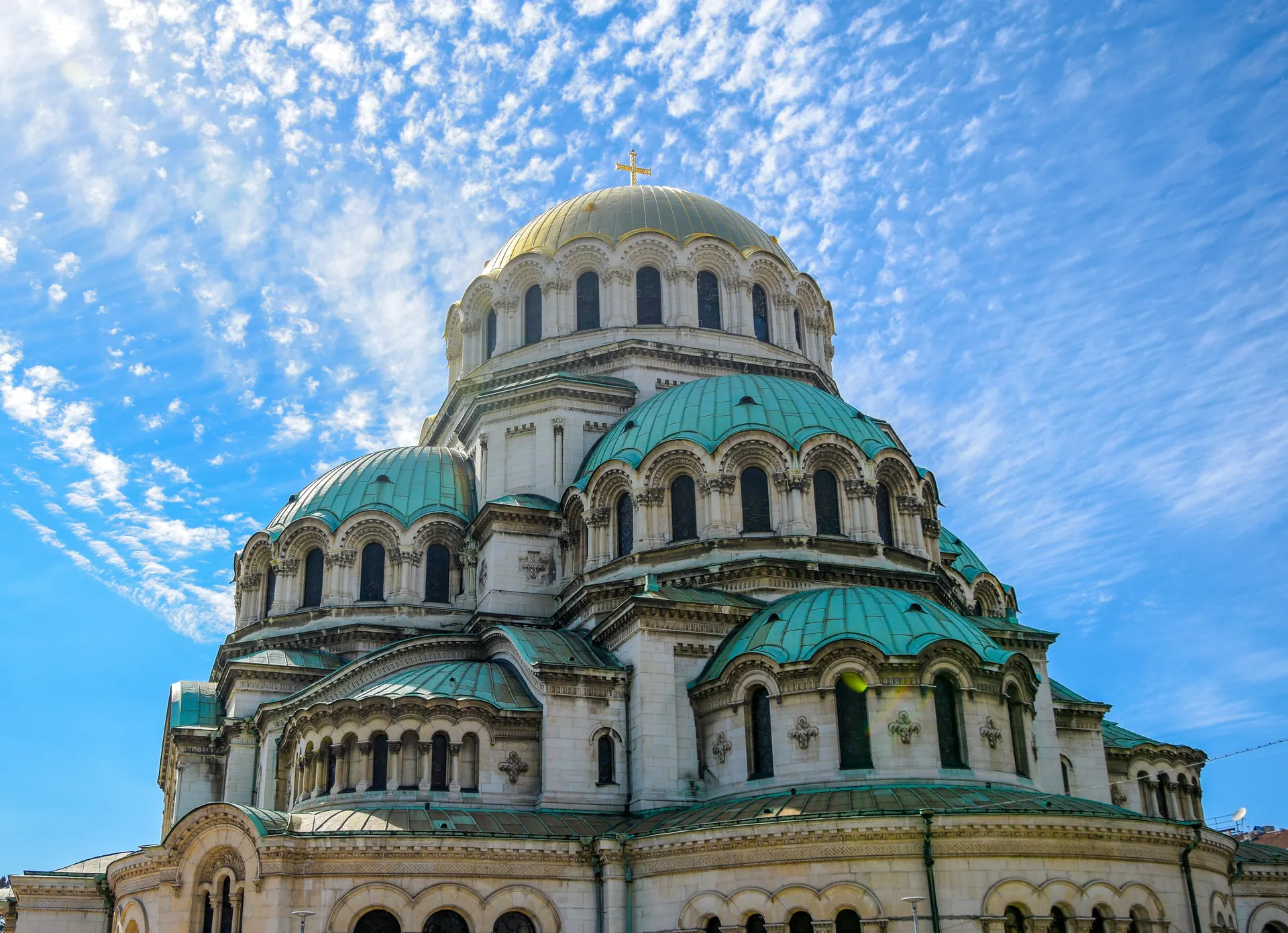
Bulgaria is the corner of the Balkans that most people still fly over. Sofia sits in a bowl under Vitosha mountain, layered with Roman ruins, Ottoman mosques, Soviet blocks and a gold-domed cathedral — all within one walkable center. This page is thin on purpose: I've only properly walked the capital, so I'd rather tell you that honestly than pad it out.
The good news is that Sofia is a perfect base. In 2026 Bulgaria is inside Schengen and now uses the euro, so getting in and paying is simpler than it's ever been — and the two great day trips, the Rila Monastery in its mountains and old Plovdiv, are both easy from here.
Fact sheet
Everything practical, on one page
Itineraries
Two routes that actually work
Three days is enough for Sofia itself. Five turns the capital into a base for the two day trips that are worth the train.
The whole capital on foot — Alexander Nevsky, the Roman Serdica ruins under the streets, the yellow-brick center and a cable car up Vitosha on a clear afternoon.
The one I'd take. Keep Sofia as your base and add two day trips: the frescoed Rila Monastery high in the mountains, and Plovdiv's old town — one of Europe's oldest cities, an easy train each way.
City guides
One city, walked one street at a time
Sofia
Alexander Nevsky, Roman Serdica under the streets, and a cable car up Vitosha.
3 days · Coming soonAsked every week
Questions I get about Bulgaria
How many days do I need?+
Three days is enough for Sofia itself. Five is the sweet spot: it lets you keep the capital as a base and add the two great day trips, the Rila Monastery and Plovdiv.
Is the Rila Monastery worth the day trip?+
Yes — it's the one thing I'd add if you have a spare day. It sits about two hours south of Sofia in the mountains, all painted frescoes and striped arcades. Take an organized day tour or the bus via Blagoevgrad, and go early to beat the crowds.
What money do they use — euros or lev?+
Euros. Bulgaria joined the eurozone on 1 January 2026, and the lev stopped being legal tender on 1 February 2026 (it converted at 1.95583 BGN to €1). Cards are widely accepted, but carry some cash for small towns and the day trips.
When should I go?+
Late spring (May–June) or early autumn (September–October): mild, clear and green, without the humid peak of midsummer. Winter is for the ski resorts, not for walking the city.
The podcast
I walked this before I wrote it
Every guide starts as an episode. Listen to the Bulgaria introduction — the context, the history and the honest bits — then come back for the routes.