
Kenya
Two cities I explored, two routes that actually work, and the practical page. I wish someone had handed me that the first time.
Updated September 2026
What nobody tells you before you land
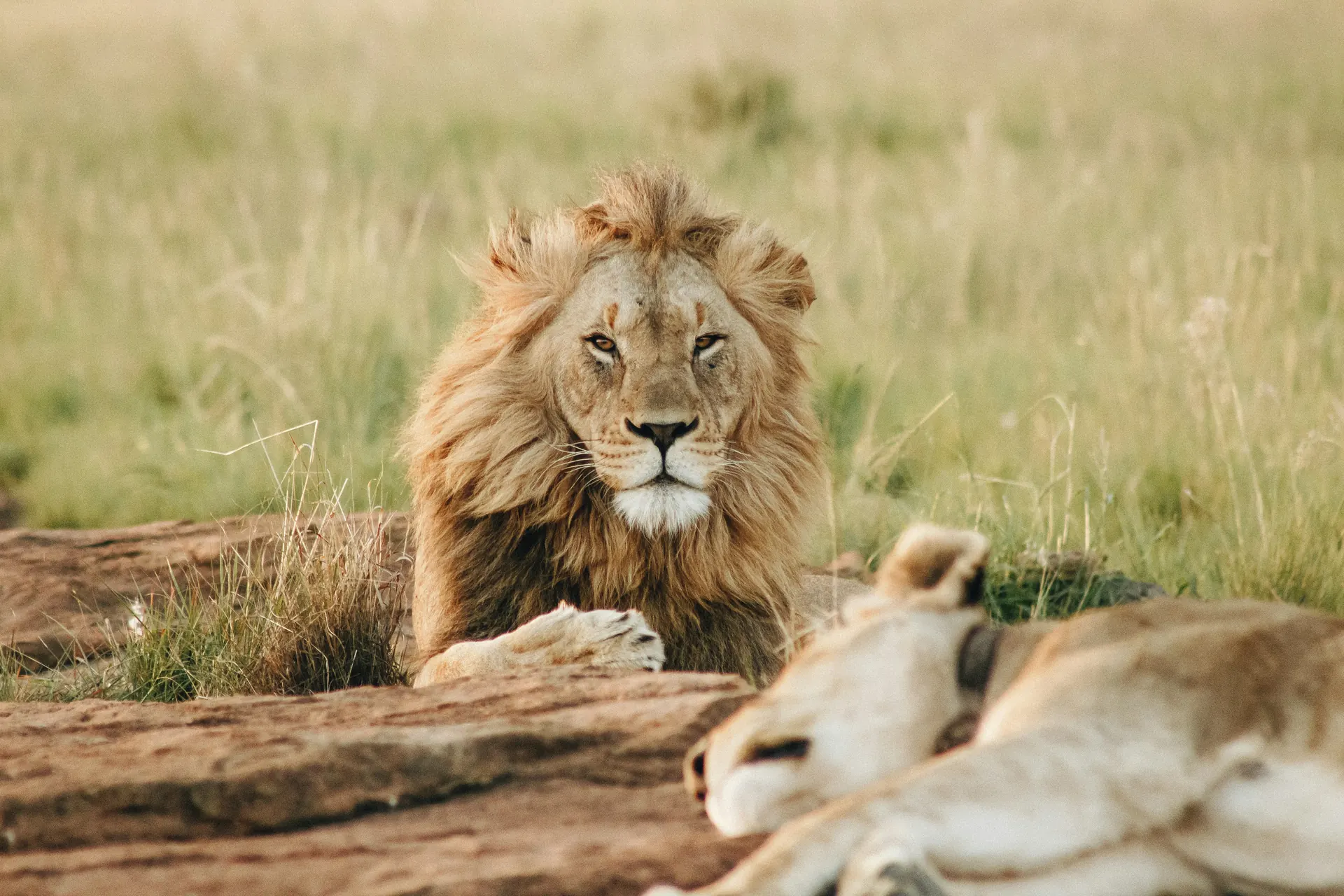
Kenya is two trips stitched into one: a fast, loud, green capital in the highlands, and then the plains — the Maasai Mara and the parks of the Rift Valley, where the Great Migration crosses the rivers between July and October. Almost everyone lands in Nairobi and treats it as an airport to leave as fast as possible, which is the one mistake this page is built to save you from.
So the two routes below are built around the safari, not against it. Give Nairobi a day to land and eat well, then let the parks set the pace — early game drives, long afternoons, and enough nights in one place that the animals stop being a checklist. I did the safari myself, and the slower version is the one worth flying for.
Fact sheet
Everything practical, on one page
Itineraries
Two routes that actually work
Seven days is the minimum for Nairobi plus a real safari without rushing it. Ten adds the Rift Valley lakes and a second park.
Nairobi to land and eat well, then straight to the Maasai Mara for the migration, and Amboseli for the elephants under Kilimanjaro. The version for one week.
The extra days go to the Rift Valley lakes — flamingos and rhinos at Nakuru, a boat and a walk among the giraffes at Naivasha — before the Mara and Amboseli.
City guides
Two cities, walked one street at a time
Nairobi
The elephant orphanage, the giraffe centre, Karen and a national park at the city's edge.
2 days · Coming soonSafari
The Maasai Mara, Amboseli, Lake Nakuru and Lake Naivasha grouped together — how to pick, when to go and how many nights each is worth.
5 days · Coming soonAsked every week
Questions I get about Kenya
How many days do I need?+
Seven is the minimum to see Nairobi and do a real safari without rushing it — two nights in the Maasai Mara at least. Ten adds the Rift Valley lakes (Nakuru and Naivasha) and a second park so the animals stop being a checklist.
When can I see the Great Migration?+
In the Maasai Mara it's roughly July to October, with the dramatic Mara River crossings most likely in August and September. Book those months well ahead — the good camps fill up and prices peak.
Is it safe, and what about malaria?+
The tourist routes and the parks are safe with normal caution; in Nairobi use registered taxis or apps and don't walk around at night with valuables. Malaria is present in the parks year-round, so take prophylaxis and pack repellent — talk to a travel clinic before you go.
How do the safaris and parks work?+
You book a lodge or camp inside or beside a park and pay a daily conservancy or park fee; game drives at dawn and late afternoon go out with a guide. Many people fly from Nairobi's Wilson airport straight into the Mara to skip the long drive — worth it if your days are tight.
The podcast
I walked this before I wrote it
Every guide starts as an episode. Listen to the Kenya introduction — the context, the history and the honest bits — then come back for the routes.