
Peru
Eleven cities I explored, four routes that actually work, and the practical page. I wish someone had handed me that the first time.
Updated September 2026
What nobody tells you before you land
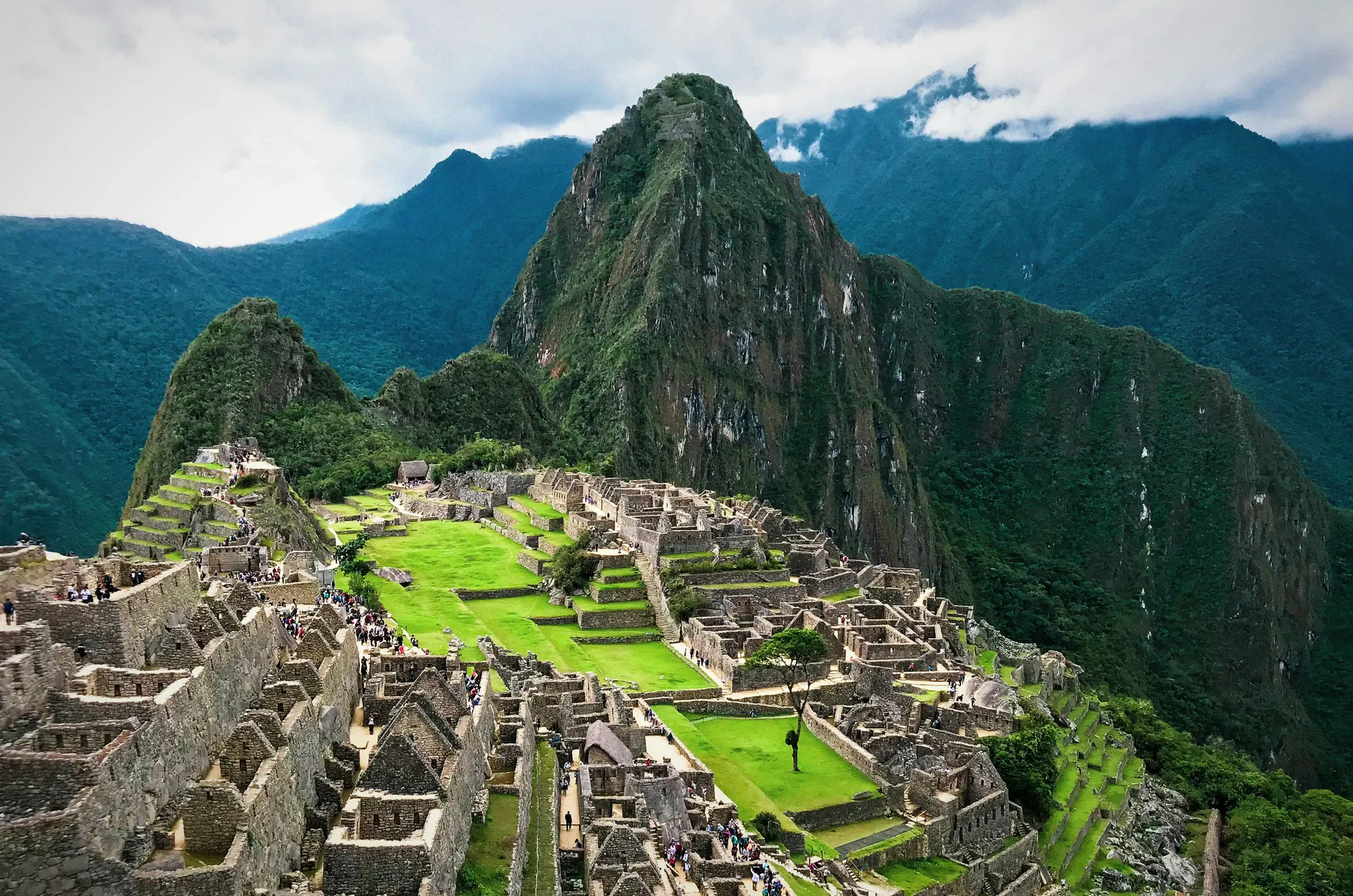
Peru is three worlds in one: a dry Pacific coast, the high Andes where the Inca built everything worth seeing, and the Amazon behind them. Almost everyone flies straight to Cusco for Machu Picchu — and then spends the first day flattened by the altitude, which is the one mistake this page is built to save you from.
So the routes below are built around altitude and distance, not a checklist. Give Cusco a day or two to breathe, string the south together by bus and short flights, and keep Machu Picchu for when your body is ready for it.
Fact sheet
Everything practical, on one page
Itineraries
Four routes that actually work
Seven days is the minimum for Machu Picchu without rushing the altitude. Twenty-one is the whole country, coast to lake.
Lima to warm up, then straight to Cusco — three days to acclimatize and see the city before Machu Picchu. The version for one week.
The extra days go to the Sacred Valley (Pisac, Ollantaytambo) and a dawn climb up Vinicunca, the rainbow mountain.
The white city of Arequipa, condors over the Colca, and the islands of Lake Titicaca on the way up to Cusco — altitude climbing gently the whole way.
The one I'd take. The whole southern desert — Paracas, Huacachina, the Nazca lines — before the long, slow climb through Arequipa and Titicaca into the Inca heartland.
City guides
Eleven cities, walked one street at a time
Lima
Barranco and Miraflores, ceviche, and the best food scene in South America.
2 days · Coming soonParacas
The Ballestas Islands by boat and the red-sand desert meeting the sea.
1 day · Coming soonIca / Huacachina
A real desert oasis — dune buggies, sandboarding and a pisco vineyard.
1 day · Coming soonNazca
The mysterious lines from the air — what to know before you fly over them.
1 day · Coming soonArequipa
The white city of volcanic stone — picanterías, monasteries and viewpoints.
2 days · Coming soonColca Canyon
Twice as deep as the Grand Canyon, and the best place to watch condors.
2 days · Coming soonPuno / Titicaca
The highest navigable lake, the Uros reed islands and their communities.
2 days · Coming soonCusco
The Inca capital: San Blas, Sacsayhuamán and the ruins ringing the city.
3 days · Coming soonSacred Valley
Pisac and Ollantaytambo — Inca terraces, markets and the gateway to the train.
2 days · Coming soonMachu Picchu
The citadel itself — how to book, when to arrive, and the two peaks worth climbing.
2 days · Coming soonRainbow Mountain
Vinicunca at 5,000 m — the striped mountain, and how to do it without suffering.
1 day · Coming soonAsked every week
Questions I get about Peru
How many days do I need?+
Seven is the minimum to see Machu Picchu without rushing the altitude. Ten adds the Sacred Valley and Rainbow Mountain; fourteen adds the southern Andes; twenty-one is the whole country from the coast to Lake Titicaca.
How do I handle the altitude?+
Cusco sits at 3,400 m. Arrive slowly (Arequipa and Titicaca first is ideal), take it easy the first day, drink coca tea, and ask a pharmacy about altitude pills before you climb Rainbow Mountain.
How do I get to Machu Picchu?+
Train from Ollantaytambo (Sacred Valley) to Aguas Calientes, then a bus up. Book the entrance ticket and the train weeks ahead in high season — they sell out.
Is it safe?+
The tourist routes are safe with normal caution. Use registered taxis or apps in Lima, watch your bag in crowds, and only book Machu Picchu and Nazca flights through reputable operators.
The podcast
I walked this before I wrote it
Every guide starts as an episode. Listen to the Peru introduction — the context, the history and the honest bits — then come back for the routes.